Executive Order 14088: Taking Additional Steps To Address the National Emergency With Respect to the Situation in Nicaragua
President: Joseph R. Biden Jr.
Expanded Nicaragua sanctions to authorize restrictions involving its gold sector, trade and investment and broadened designation criteria for repression, corruption and destabilizing conduct.
Status: In effect.
Is Executive Order 14088 still in effect? Yes. Active sanctions authority.
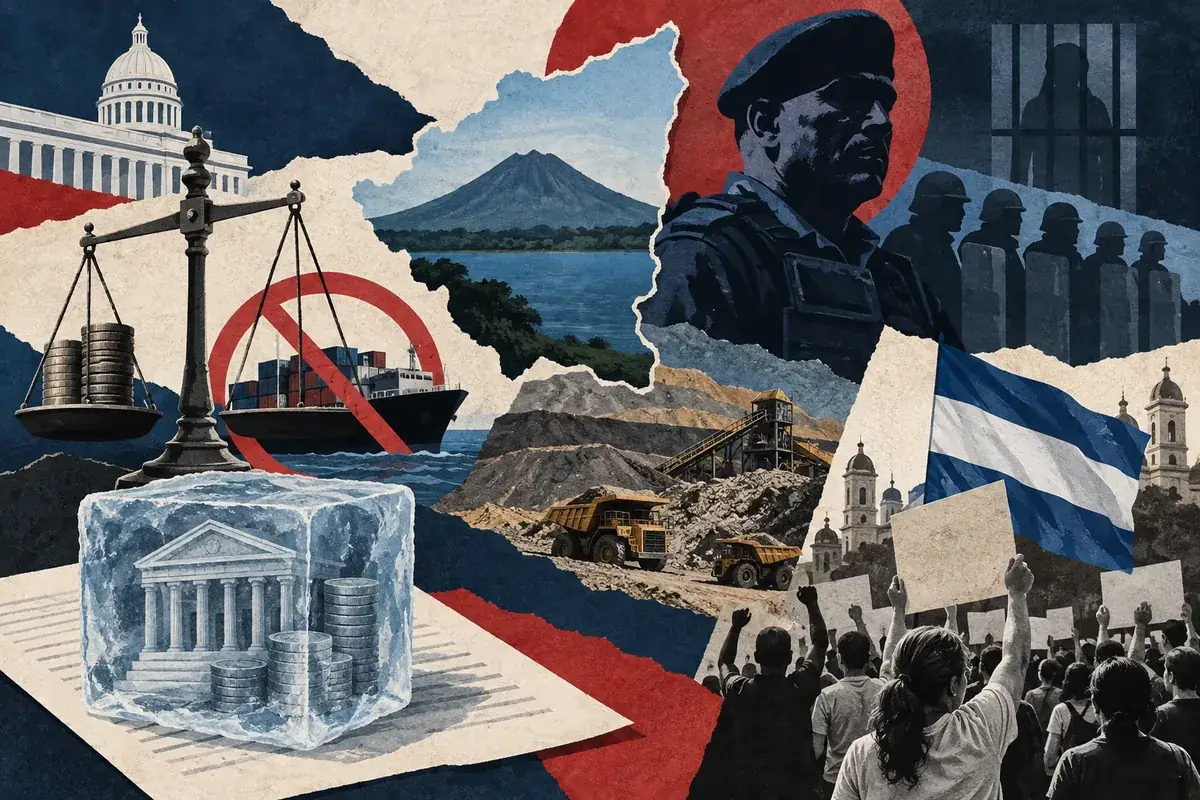
What does Executive Order 14088 do?
Treasury could identify covered persons and sectors, while State and Commerce had separate diplomatic and trade responsibilities.
Before and after
Before the order
EO 13851 already authorized targeted sanctions against Nicaraguan officials and entities after political violence and democratic backsliding.
After the order
Treasury designated officials and entities and used sectoral authorities; Commerce and State applied related measures. The national emergency and OFAC program have been continued, with licenses and designations updated over time.
Who had to do what
| Agency / office | Action | Timing / position |
|---|---|---|
| Treasury | Designate persons and identify sectors | Ongoing |
| State | Coordinate diplomatic and visa measures | Ongoing |
| Commerce | Apply relevant trade controls | As authorized |
What happened next
EO 14088 signed.
OFAC continues to administer the program.
Legal and source detail
How it works legally
IEEPA and the National Emergencies Act support blocking and transaction controls. Due process, licenses, evidentiary review and statutory exceptions apply to particular actions; no merits ruling located invalidated the order.
Sources by type
If a source is unavailable, first check the cited publisher or another official repository. The cited publisher remains the authority.
Primary and official sources
Orders, laws, court records and official implementation material.
- OFAC — Nicaragua-related sanctions (opens in a new tab) Official record
How we checked this
Last checked against the sources above on September 9, 2026. How we research →