Executive Order 14312: Providing for the Revocation of Syria Sanctions
President: Donald J. Trump
Revoked six executive orders underlying comprehensive Syria sanctions, ended that national emergency and preserved or expanded targeted sanctions against specified destabilizing actors.
Status: In effect. Is Executive Order 14312 still in effect? Yes. Executive Order 14312 remains in effect. See Federal Register record.
What does Executive Order 14312 do?
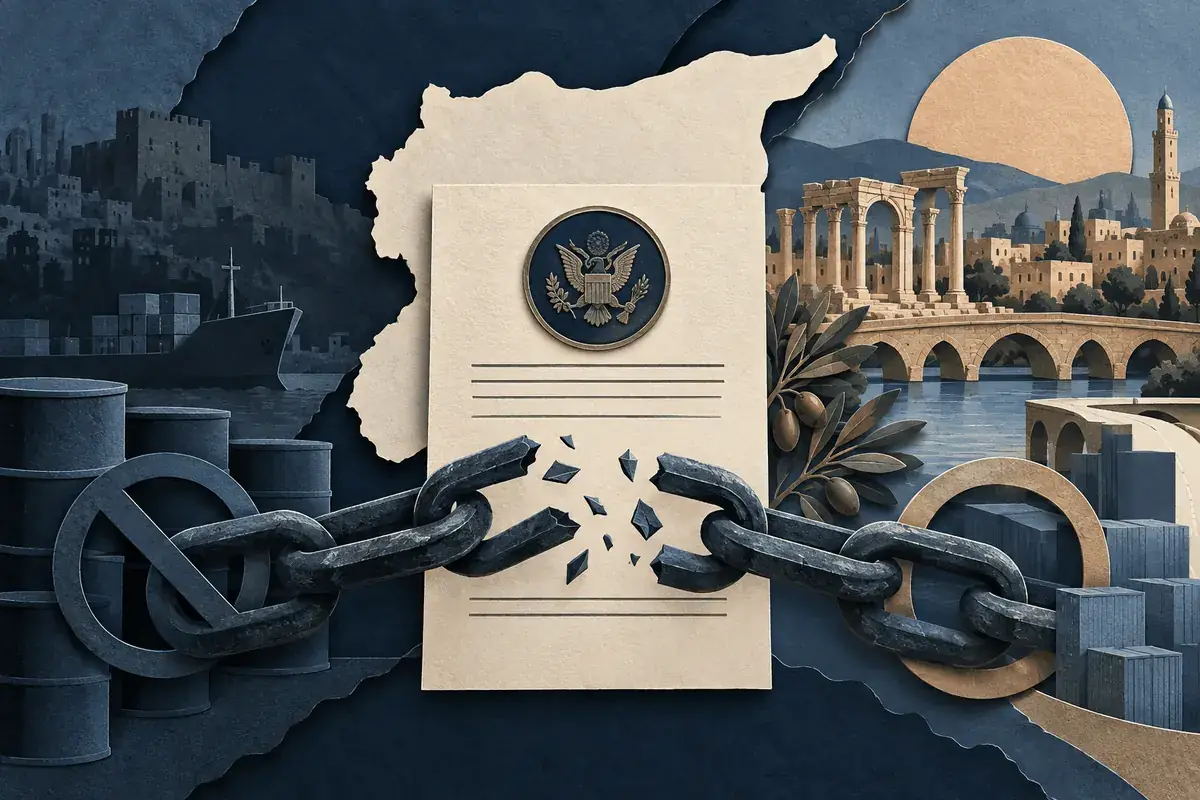
Effective July 1, 2025, the order ended the comprehensive Syria sanctions program and unblocked persons designated solely under the revoked authorities. OFAC removed 31 CFR part 542 in August 2025. Targeted sanctions remained for Bashar al-Assad and associates, human-rights abusers, Captagon traffickers, terrorists and other actors under separate or amended authorities.
Reading the operative provisions of Executive Order 14312
EO 14312 revoked six earlier executive orders that formed the basis for broad Syria sanctions and ended the associated national emergency. It also preserved targeted sanctions against persons or activities that remain covered by other authorities. The Federal Register text of EO 14312 is therefore a change to the sanctions framework, not a statement that every restriction on Syria or Syrian actors disappeared.
The order directs Treasury and State to implement the changes and maintain sanctions aimed at specified destabilizing conduct, terrorism or human-rights abuses under separate authorities. Sanctions programs can involve asset blocking, transaction prohibitions, export controls and visa restrictions, which are administered through different legal instruments. A business or person must check the current Treasury and State lists and applicable regulations rather than rely on a general description of “Syria sanctions.”
Revoking the prior emergency changes the basis for certain country-wide measures, while targeted sanctions may continue under other statutes and executive orders. Licenses, wind-down periods and exceptions can further affect a transaction. The order’s status as “In effect” means its revocation and transition instructions remain relevant; it does not mean that a single blanket sanctions regime continues unchanged. For a specific transaction, current OFAC regulations and determinations control.
Before and after
Before the order
Six executive orders supported a comprehensive Syria sanctions program implemented in 31 CFR part 542.
Separate terrorism, proliferation, Iran and human-rights authorities also applied to particular actors.
After the order
The six orders and their national emergency ended; persons blocked solely under them were unblocked and OFAC removed part 542.
Targeted list-based sanctions and other programs continued, and the remaining Syria-related regulations were retitled and amended.
Who had to do what
| Agency / office | Action | Timing / position |
|---|---|---|
| Treasury / OFAC | Unblock persons covered solely by revoked authorities and revise regulations | Effective July 1, 2025 |
| State and Treasury | Maintain or impose targeted measures under surviving authorities | Ongoing |
| Agencies | Review export controls and terrorism designations | As directed |
What happened next
EO 14312 signed.
Six orders revoked and comprehensive program ended.
OFAC removed the Syrian Sanctions Regulations.
Remaining Syria-related regulations were retitled and amended.
OFAC updated its account of later terrorism-designation changes.
Current program status rechecked.
Legal and source detail
How it works legally
Termination of the six emergency authorities did not erase liability for violations committed before July 1, 2025. Other sanctions statutes, executive orders and export controls continue independently.
Sources by type
If a source is unavailable, first check the cited publisher or another official repository. The cited publisher remains the authority.
Primary and official sources
Orders, laws, court records and official implementation material.
- OFAC FAQ 1220 (opens in a new tab) Official record
How we checked this
Last checked against the sources above on September 9, 2026. How we research →